Ragi Dosa Recipe:
Ragi dosa is a healthy variation of the traditional Indian dosa made using ragi
(finger millet) flour. Ragi is a highly nutritious grain, rich in calcium, fiber, and
essential nutrients, making this dosa a great choice for those looking for a
wholesome meal. It's particularly popular in South India and is a great gluten-
free option.

About Fermented Ragi Dosa:
Ragi or finger millet is a healthy seed and I do include them wherever I can. I make the
Ragi Dosa with ragi flour and not the ragi seeds. However, you can make this dosa by
soaking and grinding finger millet seeds as well.
With the Fermented Ragi Dosa batter, you can even make yummy and hearty idli. I have
also shared the recipe of Ragi Idli made with this batter. These dosas are both crisp and
soft, and the idlis too are also soft and fluffy. So, you can make both idli and dosa with
this batter.
Like regular dosa, this Fermented Ragi Dosa also pairs well with coconut chutney, coconut-garlic chutney and sambar or even idli-dosa podi (dry chutney)
How to make Ragi Dosa
Soak Rice and Lentils:
1. Take 1 cup idli rice or parboiled rice (ukda chawal, sela chawal) in a bowl.
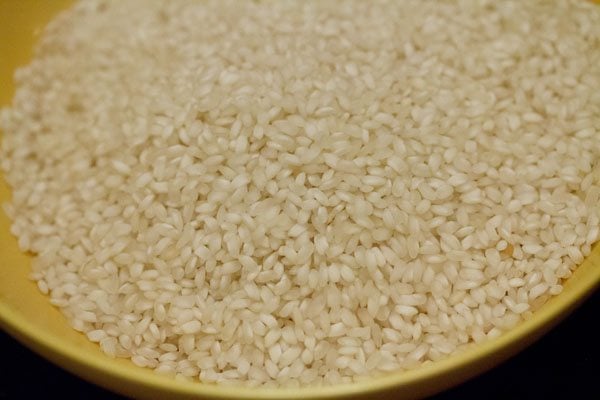
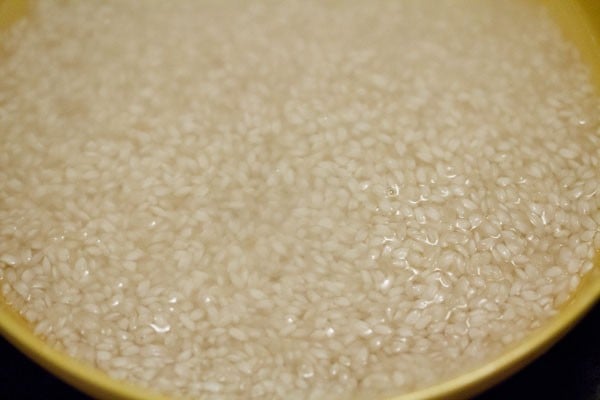
2. Rinse the rice a couple of times with clean water. Add 1 to 1.5 cups water and keep
aside.
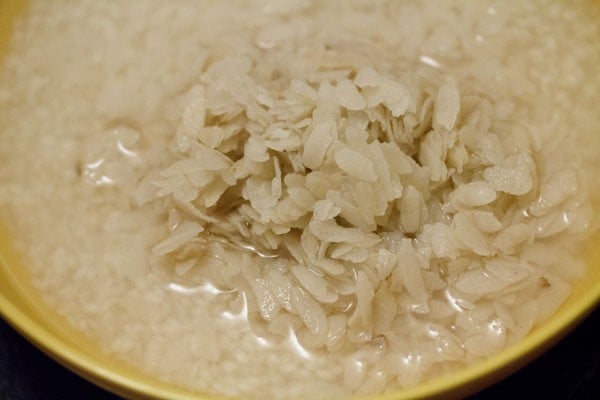
3. Rinse ¼ cup thick poha (flattened rice) once or twice and add to the rice bowl. Mix very
well. Cover and keep aside to soak for 4 to 5 hours.
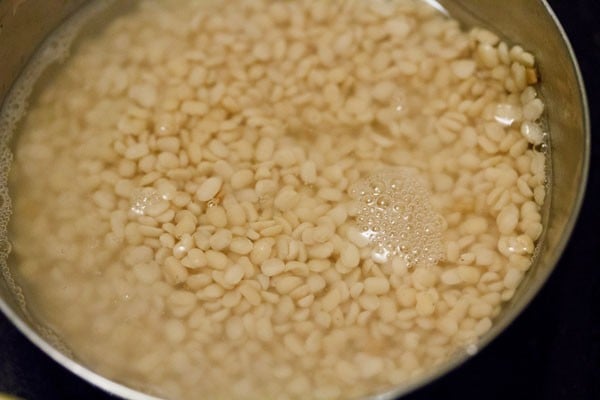
4. In another bowl, take ½ cup urad dal and ¼ teaspoon fenugreek seeds (methi).
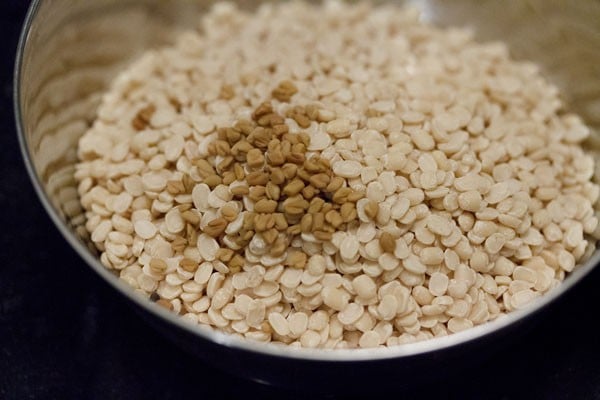
5. Rinse both for a couple of times. Then, soak both the urad dal with the fenugreek
seeds in 1 cup water for 4 to 5 hours.
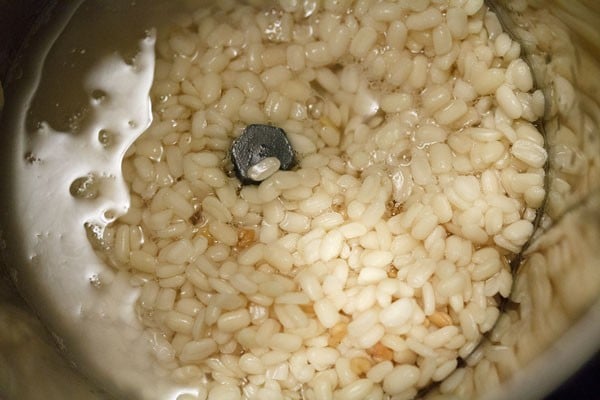
6. After 4 to 5 hours, drain the urad dal and add in a mixer-grinder jar. Also, add water in
parts.
Initially, I added ¼ cup water and blend or ground for some seconds. Then, I added ¼
cup water and continued to blend.
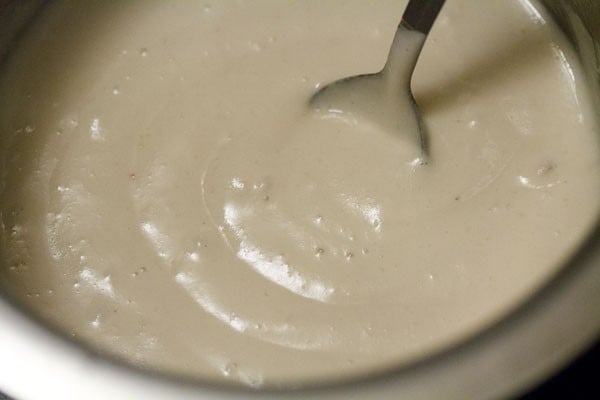
7. Grind the urad dal and fenugreek seeds until you get a smooth and fluffy batter. While
grinding, add water in parts.
I added a total of ½ cup water for grinding urad dal. Once the batter is ground well, then
pour the urad dal batter in a bowl or pan.
Make Rice Batter:
8. Next, drain the rice, poha and add them to the same mixer-grinder jar. Depending on
your jar capacity, you can grind the rice in 2 to 3 batches.
For the first round, I used ½ cup water and for the next round, I added ¼ cup water. So
overall, I added ¾ cup water for grinding rice.
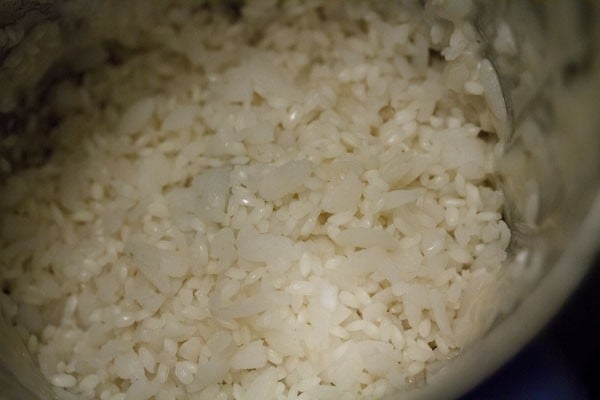
9. Grind the rice till smooth or a fine granular consistency in the batter is also fine.
While grinding, if the mixer-grinder becomes hot, then stop. Once the grinder cools down,
then continue to grind.

Make Ragi Dosa batter:
10. Pour the rice batter in the same bowl containing the urad dal batter.
11. Mix both the batters very well.

12. Now, add 1 cup ragi flour (finger millet flour).

13. Then, add ½ cup water. You can adjust the quantity of water, depending on the consistency of the batter.
14. Mix very well with a wired whisk, spoon or with your hands. Break the lumps, if any.
Mix to a smooth batter.
A bit of handwork is required while mixing the ragi flour with the dosa batter.
Alternatively, you can mix the ragi flour in ½ cup water in a separate bowl. Then, add this
ragi batter to the rice and lentil batter. There would be no lump formation this way and
also less strain while mixing.

15. Cover the bowl or pan with a lid and let it ferment overnight, 8 to 9 hours or more
depending on the temperature conditions in your city. The batter will increase in volume
and double up.
Note that in a cool or cold climate the batter will take more time to ferment. To speed the
fermentation process, keep the batter bowl in a warm place in your kitchen.
16. The dosa batter after fermentation on the next day.
If the batter does not increase in volume, then add 1.5 to 2 tablespoons of curd ot yogurt
and ¼ teaspoon baking soda in the batter.
Mix very well. Let the batter rest for 30 minutes and then proceed to make dosa or idli.
17. Add salt and mix very well. I added salt the next day, due to it being a cold season
here. In a warmer climate, add salt before you keep the batter for fermentation.

Cook Ragi Dosa
18. Heat an iron skillet/tawa or a non-stick pan. Dip half of an onion in oil and smear the
oil on the iron tawa or griddle. If using non-stick pan, then don’t smear oil.
Use a well seasoned pan so that the dosa does not stick on to it.
19. Pour a ladle of the batter and quickly spread the batter with the help of ladle in a
circular motion.

If the batter is too thick for you to spread, add a few tablespoons of the water in the
batter to change the consistency. Mix well and make dosa.
20. Let one side cook. Drizzle ½ to 1 teaspoon oil on the top and sides.
21. Flip and cook the other side of dosa till crisp and browned. Instead of cooking the
dosa on both sides, you can just cook one side.

22. When both the sides are cooked and crisp, remove the dosa. Make the dosa in
batches using up the remaining batter.
Keep any leftover in the fridge and use it within 2 to 3 days to make ragi dosa, or
ragi Uttapam or ragi Paniyaram.
23. Serve this healthy fermented Ragi Dosa hot or warm.

Comments
Post a Comment